One of our strategic objectives is the circular economy, based on the maximum exploitation of the raw materials we consume. We want to ‘circularize’ our whole production process, making efficient use of resources such as energy and water.
Circular Economy
Copper, an infinite material
Copper is the renewable material par excellence because it can be infinitely recycled without any loss of performance. It has properties that make it essential for innovation in many sectors, such as renewable energy, sustainable construction, digitalization, transport or new technologies.
“We want to lead European projects directly related to the circular economy and drive agreements with public and private universities”
Used copper reaches us in various forms, such as copper pipes and wires, granules, in shavings or coins, and our installations can process up to 35,000 tons of used copper a year and give it a new use. We also drive the circular economy through the integral use of raw materials containing valuable elements, mostly from end-of-life electronic equipment.
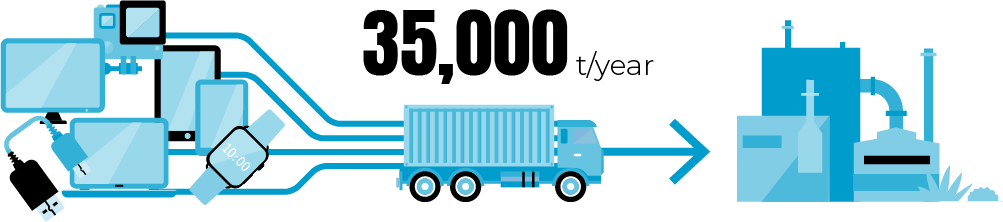
More than 5% of global waste (including organic, plastic or metal waste) corresponds to small devices such as mobile phones, batteries, cameras or laptops, known as Waste Electrical and Electronic Equipment (WEEE). All these items contain different amounts of copper and other metals such as gold, silver, palladium, platinum, tin and nickel.
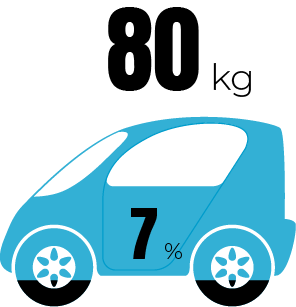
An electric car contains up to 80 kilograms of copper for engines, batteries and other components.
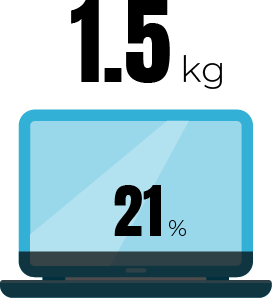
A computer contains 1.5 kilograms of copper.
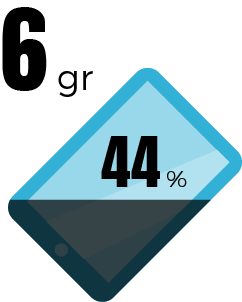
A cell phone has 6 grams of copper.
The 3Rs: Reduce, Reuse, and Recycle
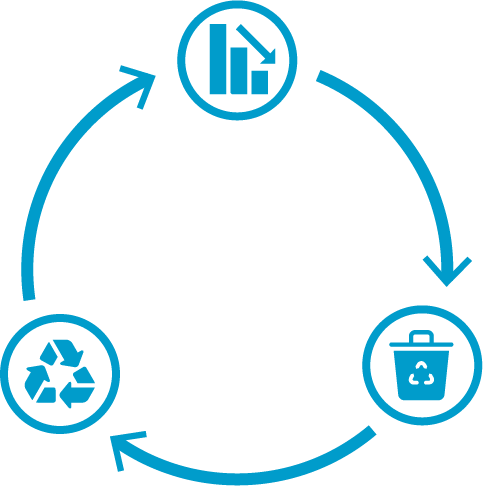
Metals are indispensable materials for boosting the circular economy. An economy that is based on the rule of the three R’s (Reduce, Reuse and Recycle) and therefore deviates from the traditional existing linear economy based on “take-make-dispose”.
REDUCE
Reuse of copper in the manufacture of new products makes it possible to reduce the environmental impact caused by the extraction of finite raw materials, and greenhouse gas emissions.
RECYCLE
Copper recycling requires up to 85% less energy than primary production, which, on a global scale, represents a savings of 40 million tons of CO2 per year.
REUSE
The smelter’s current copper recycling capacity is 10%. This secondary copper comes from end-of-life products and industrial sources.
Sustainable metals
We work on sustainable production with the lowest possible energy consumption and the least environmental impact. At present, we invest an average of 10 million euros a year in technological innovation, as a formula to constantly improve the efficiency of our processes through circular economy projects.
How do we do it?
- Recovering the heat produced, so that outside energy consumption is reduced.
- We treat the water from the process for reuse, thus reducing the consumption of water from the grid.
- Maximizing recovery of valuable components from the raw material, for use in other production processes.
Global commitment
We carry out all our actions in accordance with the principles of the UN Sustainable Development Goals and the International Council on Mining and Metals (ICMM). See all of our initiatives in the document Atlantic Copper and the SDG:
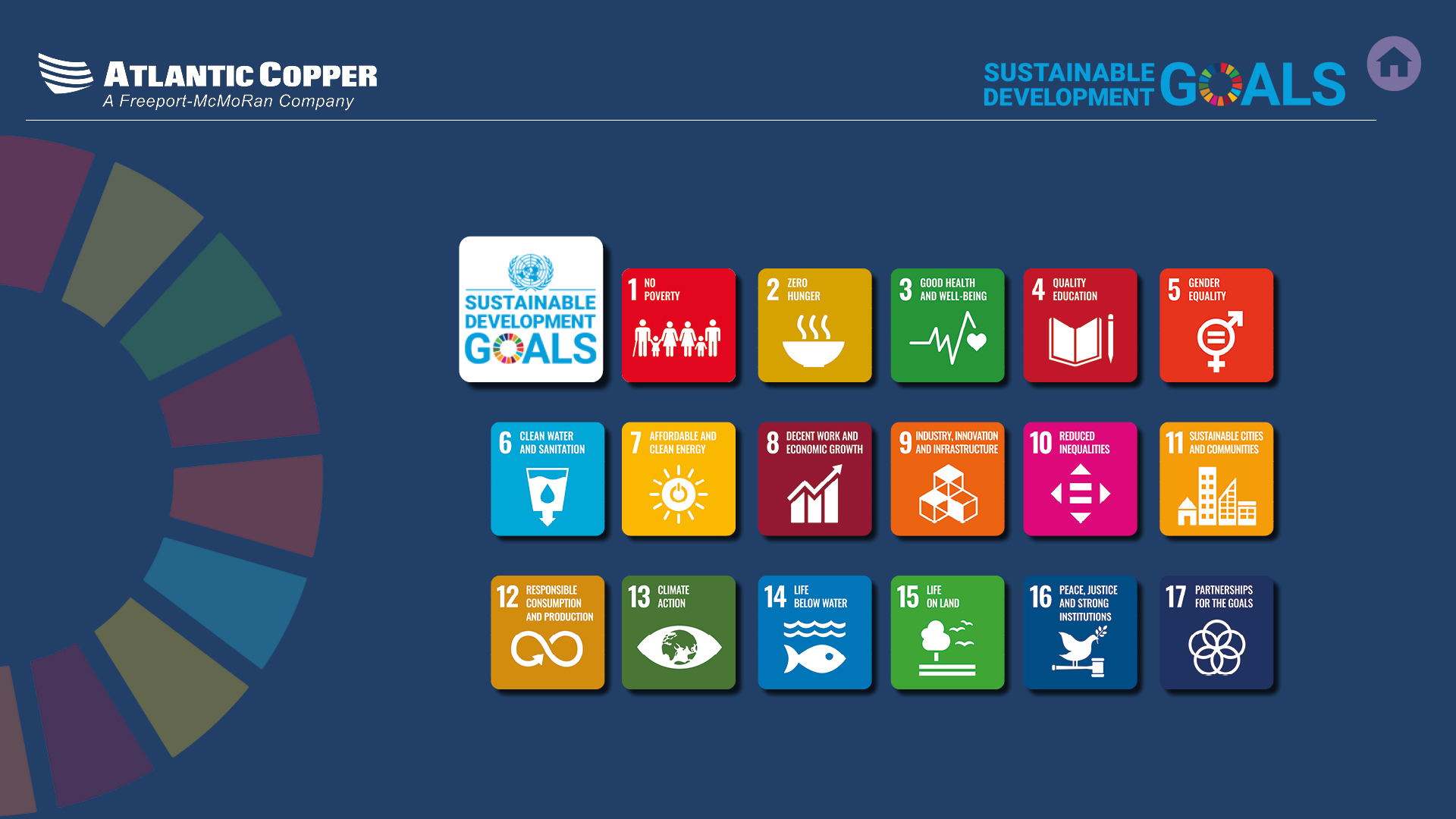
In this area we are in compliance with the following UN Sustainable Development Goals:


Likewise, we are in compliance with the following objectives of the International Council on Mining and Metals: